
Overview
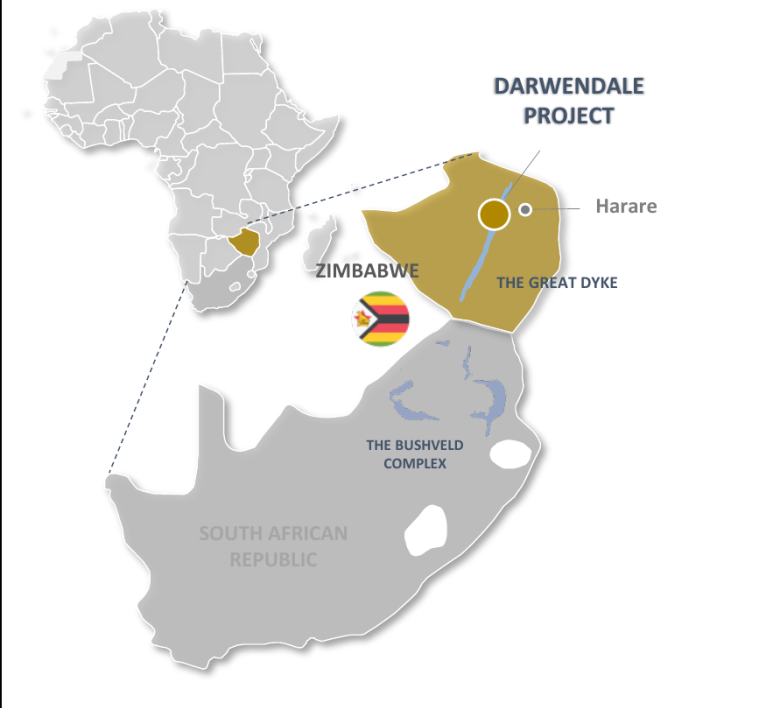
Darwendale is part of the Great Dyke, the second largest platinum group metals mineralization system in the world, and one of the biggest PGM deposits globally in its own right. Located near Harare, the geology is well understood, proven by neighbouring PGM mines already operating along the same formation.
Project at a glance
Mine Life
Largest PGM
System Globally
Shallow Depth
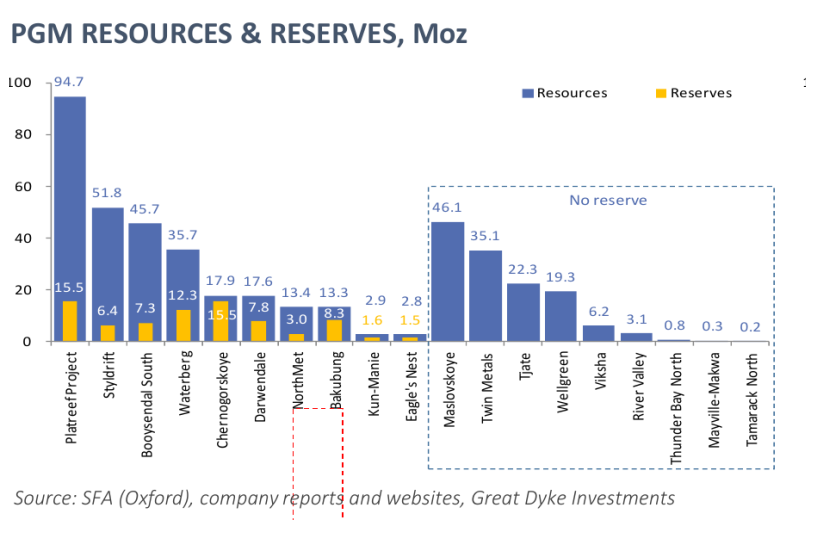
- Benchmarking of the Darwendale project, SFA Oxford, 2017.
- JORC Compliant Mineral Resource Estimate & Scoping Study, MSA Group, 2019.
- Bankable Feasibility Study, DRA, 2017. Further details are provided in the supporting project presentation.
Geology & resource
base
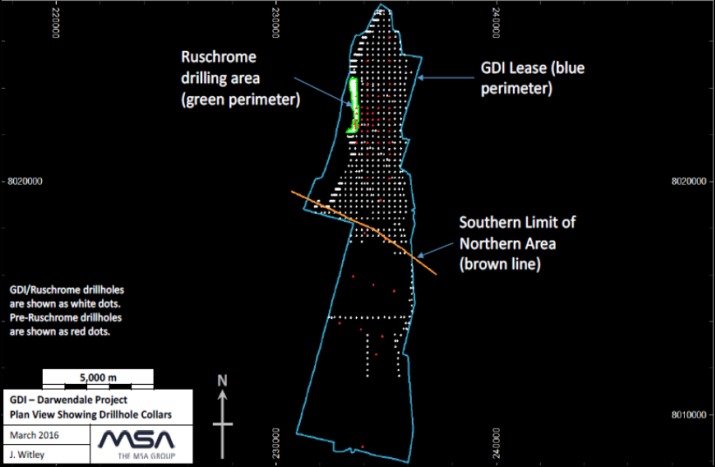
The Great Dyke's geology and mineralogy are well understood, proven by existing neighbouring operations. A Bankable Feasibility Study was completed in 2017 by DRA Group. This remains the largest PGM exploration programme undertaken in Zimbabwe, with 130,000 metres drilled across 805 boreholes — only the northern portion of the deposit explored to date.
Total Potential
Resource
JORC-compliant
confirmed
resource
Proven & Probable
reserves - 20+ years
Exploration
upside
High geological upside remains: only the northern part of the deposit has been explored. Stage 2 and 3 exploration are expected to add further resources toward the total potential of 44.0 Moz PGM.
Phased
development
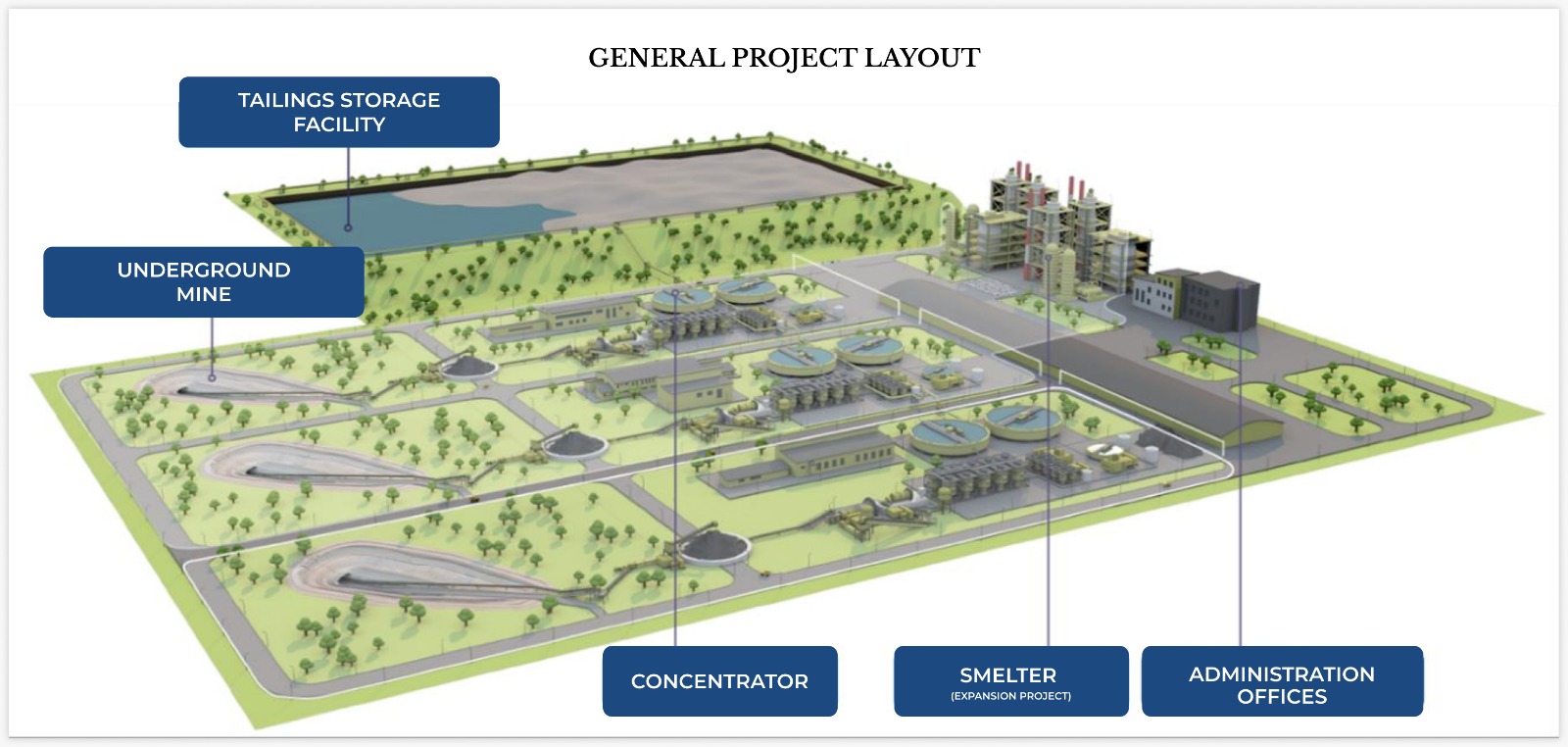
-
Phase 1.
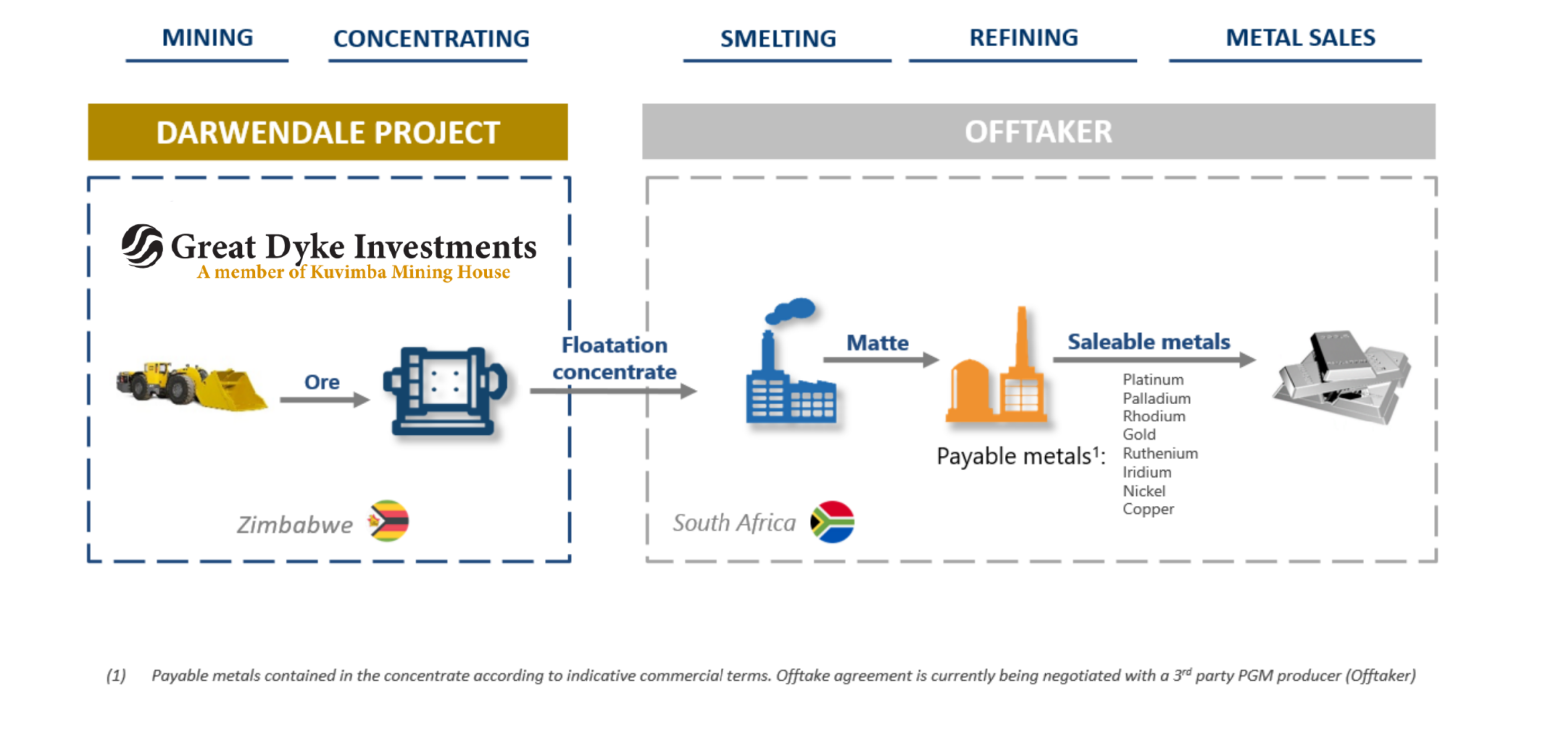
Mine and concentrator construction · 3.54 Mtpa throughput · approximately 280 koz PGM in concentrate annually
-
Phase 2.
Mine and concentrator upgrade, smelter commissioning · 6.7 Mtpa throughput · approximately 570 koz PGM in converter matte annually
-
Phase 3.
Full-scale operations · 10.1 Mtpa throughput · approximately 850 koz PGM in converter matte annually
Phase 1
project costs
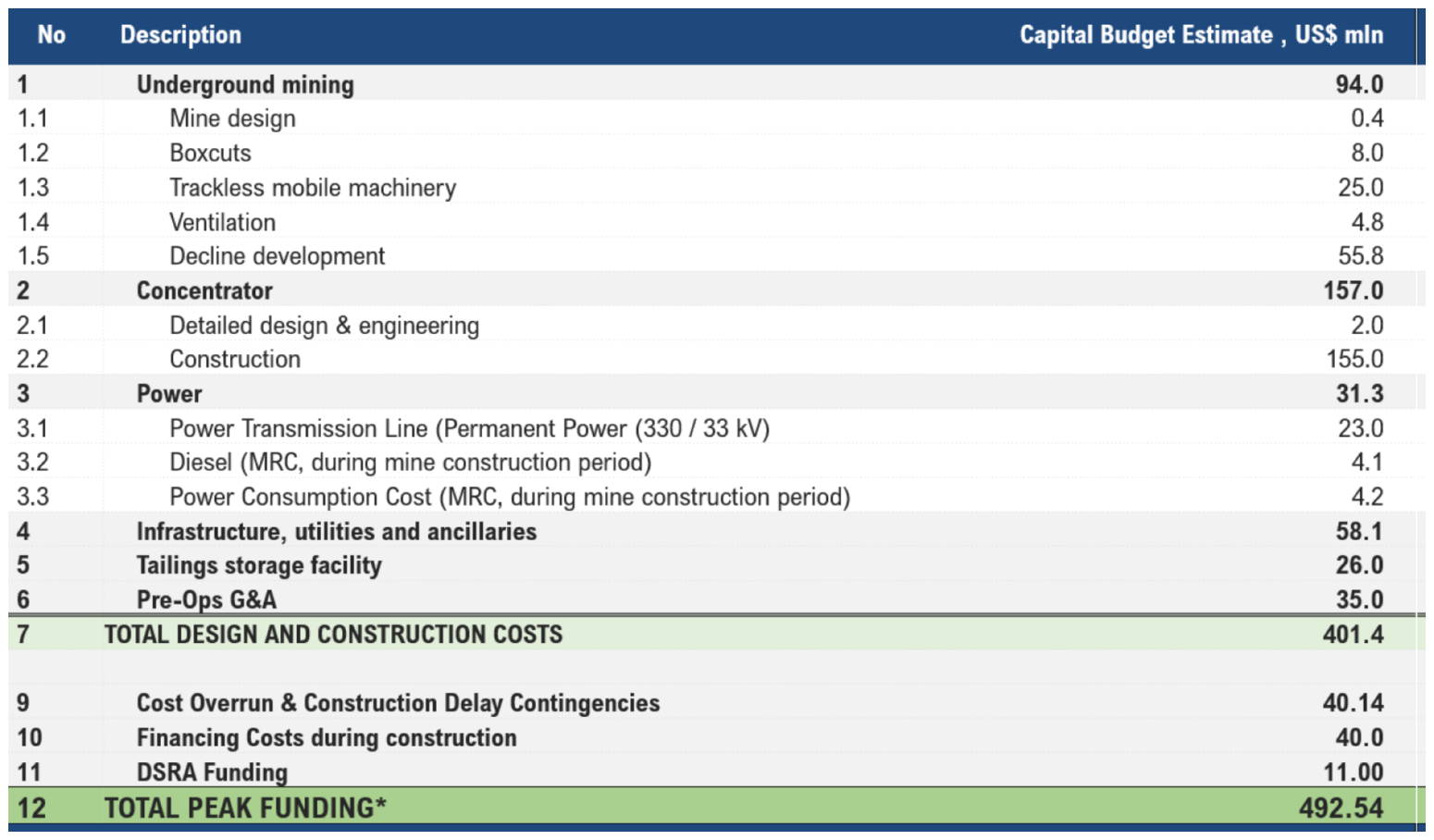
Final Capital Budget Estimate subject to finalization of the FEED/detailed design phase.
Financial
evaluation results
|
Key financial indicators over project life (19.4 years) Post-tax; Pre-WHT cash flows |
Ungeared | Real |
|---|---|
| Project NPV | USD 177 million |
| Project IRR | 17.94% |
| Payback: From start of project: From start of production: | 6.4 years 4.7 years |
| Discounted Payback: From start of project: From start of production: | 8.4 years 6.7 years |
Financial evaluation
conclusion
The project is financially viable, with reasonable ungeared financial indicators over its circa 20-year operational period, based on metal price scenarios drawn from bank consensus forecasts. The project generates robust cash flows from year 2 of operations, improving profitability over time to an average EBITDA margin of 28%; in line with competing projects.
Project Returns Conclusion
Conclusion
The project is financially viable with reasonable ungeared financial indicators over the circa 20 years operational period, applying the metal prices scenarios based on the bank consensus forecast.
The real and ungeared financial indicators for the final case include:
- Project NPV of USD 177 million
- Project IRR of 17.94%
- Payback of 6.4 years from the start of the project
The project has robust cash flows from year 2 of operations which improve profitability over time to achieve an average EBITDA ratio of 28% — which is considered in line with other competing projects.
Investment
Summary
Darwendale combines a high-grade, low-cost resource with a long mine life, established infrastructure, conventional processing technology, full permitting, and a clear path to expansion, making it one of the most advantageous PGM developments in the region.
Low capex /
operating cost
- High grade (2.94 4E g/t), shallow (0–350m), thick (2.5–2.75m), flat-dipping ore body ensures lower capex and opex compared to peers.
- First quartile of total cash cost curve at full capacity.
(1) Benchmarking of the Darwendale project, SFA (Oxford)
Long mine life
- Initial life of Darwendale of 20 years based on 3.54 Mtpa ROM production and JORC-confirmed resources.
Advantageous
location
- Required infrastructure is either already in place or available at close proximity, and at relatively low cost.
- Minimum relocation or resettlement required.
Conventional
technology
- Underground mechanised bord-and-pillar mining using low-profile trackless mining machinery with conveyors.
- Industry-standard processing plant design using conventional milling and flotation technology.
Fully permitted
and licensed
- Mining agreement providing fiscal incentives and tax holidays, with investor-protection provisions in place.
- EIA licence approved and issued in September 2019.
Expansion with
phases 2 and 3
- Total resource increase to up to 44 Moz PGM in Phases 2 and 3, with total annual PGM output increasing to approximately 850 koz.
- Potential for developing an owned smelting facility.