
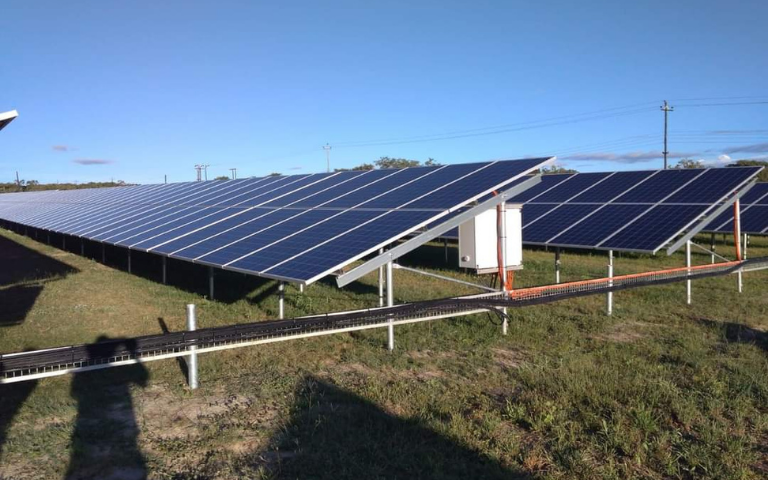
Introduction: Solar Technology Has Evolved
Solar technology in 2026 is vastly different from what it was a decade ago. Efficiency has improved. Storage has become smarter. Monitoring systems are intelligent. Integration capabilities have expanded.
Commercial agriculture stands to benefit significantly from these innovations.
Here are five solar technologies reshaping farming operations.
1. High Efficiency Solar Panels
Modern photovoltaic panels now:
- Generate more power per square meter
- Perform better in high temperatures
- Have longer warranties
- Maintain output over 25+ years
For farms with limited roof space or where land must remain dedicated to crops, higher efficiency panels maximize energy yield per installed area.
2. Solar + Battery Storage Systems
Battery storage has transformed solar from daytime only power to 24-hour energy independence.
Benefits include:
- Night time irrigation capability
- Backup power during cloudy days
- Seamless switching during grid outages
- Reduced reliance on generators
Lithium-based storage solutions now offer:
- Longer life cycles
- Faster charging
- Lower maintenance
This innovation enables true energy security.
3. Solar Water Pumping Systems
Solar water pumping has become one of the most impactful agricultural innovations.
Advantages:
- No fuel required
- Automatic operation during sunlight
- Scalable for small or large operations
- Low maintenance
For remote farms without reliable grid access, solar pumping eliminates dependence on fuel deliveries.
4. Smart Energy Monitoring Systems
Modern farms can now track energy in real time.
Smart systems provide:
- Live performance dashboards
- Fault detection alerts
- Load analysis
- Energy optimization insights
Farm managers can:
- Identify peak usage patterns
- Optimize irrigation timing
- Prevent system overload
Energy becomes data driven rather than reactive.
5. Hybrid Energy Systems
Hybrid systems integrate:
- Solar
- Grid electricity
- Generators
- Battery storage
This multi-layered design ensures:
- Maximum reliability
- Reduced fuel consumption
- Continuous production
Hybrid systems are ideal for large scale commercial operations with complex energy demands.
Why Innovation Matters for Commercial Farmers
Farms operate under tight seasonal windows. Delays due to energy interruptions can result in:
- Reduced yields
- Lost export contracts
- Increased operational stress
Solar innovation minimizes those risks.
The Strategic Edge
By adopting advanced solar technologies, commercial farmers gain:
- Cost stability
- Operational resilience
- Sustainability credentials
- Improved profit margins
Innovation is no longer optional, it’s strategic positioning.
Conclusion
The combination of high efficiency panels, smart storage, intelligent monitoring, and hybrid systems is revolutionizing commercial farming energy.
Farmers who invest early benefit from:
- Lower long-term costs
- Greater reliability
- Competitive advantage
Discover which solar innovations best suit your commercial operation, schedule a consultation with Purleigh Investments today.