The Heart Of Agriculture
Seed Co has constructed a new artificial seed maize drying facility that allows us to deliver market-leading seed varieties to you sooner.
Maize hybrid seed provides farmers with varieties containing improved genetics, such as high yield potential and unique trait combinations to counter diseases and adverse growing conditions. However, the quality of hybrid seed depends greatly on field production methods, both in adherence to quality assurance standards and implementation of appropriate agronomic management coupled with favourable weather conditions. Due to unpredictable weather patterns, Seed Co released varieties that combine high yield with a low duration. These are varieties such as SC301, SC303, SC419, SC529 etc. Furthermore these top left hybrids allows the farmer practice double cropping.
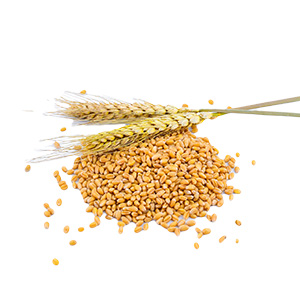
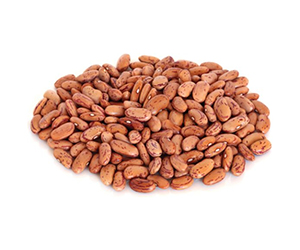
Seed Co.’s customer centric nature has over the past 81 years driven the vision of the business which is to Breed, Seed and Feed in Africa. To achieve this mandate, (Seed Co continues to expand its footprint across Africa and is now present in over 21 African countries) confirm a number of countries. Our main thrust is to provide lucrative and long-lasting seed choices to farmers across Africa thereby resulting in food self-sufficiency come surplus and making farming a formidable business option through developing a wide range of crop types and varieties i.e. maize hybrids, soya beans, wheat, sorghum, sugar beans, and cowpeas, with high yields, stable performance across environments and seasonal adaptability. However, it is important to note that for Seed Co Limited the majority of these regional markets are developing countries which are the most vulnerable to climatic change effects due to limited resources to adapt. As such, there is an urgent need to give farmers hybrids that are adapted to climate change and give them the greatest yield. To achieve this, testing of crop varieties is carried out across different agro-ecologies (throughout Africa) to generate extensive genotype by environment interaction data.
Seed Co Limited also recognises the need to develop hybrids that fit specific environmental conditions and niche markets. In addition, these varieties will be coming from a background of an intense breeding programme whose focus is to select for abiotic (heat and drought, low nitrogen use efficiency, soil acidity and alkalinity), biotic (pests, foliar and cob diseases) and response to different agronomic practices. Resultant effort has produced a number of crop varieties that have allowed farmers to easily adapt to the effects of climatic change in their farming systems and achieve the highest yields possible.
Prior to 1960 before the green revolution in Asia farmers where growing open pollinated varieties which would bring very low yield. However in 1960 Seed Co produced SR52 which is the first single cross maize hybrid to be commercialised in the world and forms the basis of maize breeding in Zimbabwe and Eastern and Southern Africa region.
The experiment was conducted by Allan Rattary and Harry Arnold at the Harare Research Station and they became the pioneers of moving from open pollinated to single cross pollinated variety. Seed Co commercialised this variety first in the world before farmers and researchers in the world.
We have since evolved to creating new varieties that are doing very well in the market.
Maize
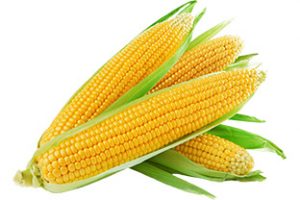
In 1994-1996 Grey leaf spot disease (GLS; caused by Cercospora zeae-maydis Tehon and Daniels) which affects maize spread to Zimbabwe from South Arica KwaZulu Natal. Maize is predominantly grown by small-scale farmers without fungicides; hence, there was need to develop GLS resistant hybrids. Seed Co became the first company to come up with SC 709 a single cross variety which was resistant to the GLS. There is limited information about the mode of inheritance for GLS resistance in regionally adapted germplasm.
Soya Beans
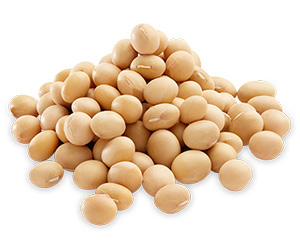
Soybean rust is potentially one of the most significant diseases of soybean. It can spread quickly and cause leaf spots and defoliation of soybean plants. Under favorable conditions, the pathogen can cause yield losses greater than 50%. Soybean rust was first found in the continental United States in the South in 2004. Since then, the disease spread and became a global outbreak however Seed Co was again the first to release varieties that are resistant eg SC Signal, SC Saxon, and SC Sentinel.

 Mozambique
 Seed Co Group
 Angola
 Botswana
 DRC
DRC Kenya
Kenya Malawi
 Nigeria
 South Africa
 Tanzania
 Uganda
 West & Central Africa
 Zimbabwe