This is a question that most farmers especially aspiring new farmers ask at the inception of a cropping programme. The best way to address this question is for the farmer to do a cost benefit analysis of the input costs versus the output costs of the crop that they wish to establish. Market research is important in this regard. The farmer should factor in all costs associated with the production to arrive at the profitability derived from growing each crop.
Maximizing productivity (maximum attainable yield) increases the return per dollar invested in any cropping programme.
The success of any cropping programme lies in one’s ability to employ strict management practices for maximum productivity. Farming is a business that requires one to adopt Good Agronomic Practices (Good Agronomic Practices/ GAP) and as such ALL crops should be managed well.
If the farmer is unable to attend to the crop on a frequent basis, the employment of a skilled manager or supervisor is encouraged to enable timeliness of operations and regular scouting which will result in the detection of changes in the crop and promote a quick response.
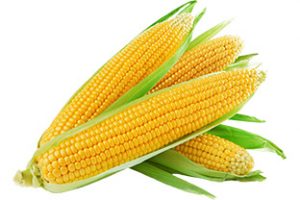
Maize planting windows differ depending on the Agro-ecological region. Maize is sensitive to frost as a result planting of maize should be done before or after winter in frost prone areas like the Highveld and middleveld. In the Lowveld and in some frost free pockets of the country, farmers can plant maize throughout the year depending on irrigation capacity and their rotation plan (Monocropping is not encouraged)
It has been noted that the highest yields are obtained with October plantings as this period is characterised by very high heat units that promote crop growth however this should be guided by ones ability to irrigate or information on the seasonal forecast. Most farmers under dryland maize production plant when they receive the 1st effective rains (rains of >35mm in 3 days). Planting time affects the yields obtained hence early planting is encouraged especially for late and medium maturing varieties.
This is a question on most farmer’s minds. Farmers need to move away from the dependence on general fertilizer recommendations and embrace custom made fertilizer recommendation that are guided by soil analysis.
Soil analysis plays a pivotal role in increasing fertilizer use efficiency and enables custom made fertilizer recommendations to be made, based on the soil status (Ph level and Soil Organic Matter/SOM).
As a general rule farmers need apply fertilizers in the range of 300 to 400kg/ha of basal fertilizer (7:14:7) compound D (Adjust accordingly for specialised fertilizers such as blends). Top dressing the range is 350kg to 400kg/ha of a nitrogenous fertilizer (Ammonium Nitrate AN (34.5%N) or Urea (46%N)
The use of inorganic fertilizers like manure is greatly recommended as we move towards the attainment of sustainable Agriculture. However farmers should get the manure analysed for nutrient constitution and establish the nutrients that will be availed. Some farmers use inorganic fertilizers as complements (together with) organic fertilizers to meet the crops nutrient requirements.
Inorganic fertilizers/manure should be fully decomposed before use to reduce the introduction of insect pests and diseases in the field.
A weed is anything that is growing were its not wanted, with that in mind farmers should strive to make sure that crops grow in a weed free environment. Effective weed management is guided by the following principles:
The drive for environmentally friendly agrochemicals has resulted in the barn most broad spectrum insecticides. This has resulted in the need to effectively identify the problematic insect pest in order to control it.
In maize production the most significant insect pests are bollworms, African Army Worms and the ravaging Fall Army Worms (FAW).
Insect management tips:
Disease management is best done at variety selection. Varieties with inbuilt disease tolerance and resistance will withstand disease pressure.
Regular scouting and spraying of preventative fungicides can manage the development of the disease. When a disease had been detected farmers should spray systemic curative chemicals to control it before it spreads to other plants.
If you have any questions, get in touch with our support
Email: seedco.moz@seedcogroup.com

 Mozambique
 Seed Co Group
 Angola
 Botswana
 DRC
DRC Kenya
Kenya Malawi
 Nigeria
 South Africa
 Tanzania
 Uganda
 West & Central Africa
 Zimbabwe