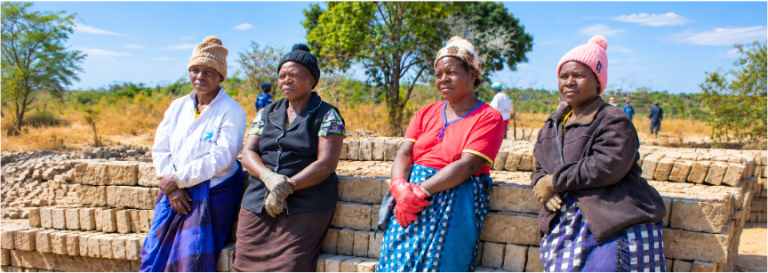
The most noteworthy aspect is that open defecation is practiced by vulnerable households in Nyandebvu village in ward 8 of Chegutu district, and that poor households lack access to savings that might allow them to engage in self-employment and economic development through a variety of income-generating activities. The community, which has a diversified population of low-income households lacking appropriate and secure livelihoods, is one of the places targeted for demand-led sanitation (DLS). It has been demonstrated that ISALs can help the poorest people find ways to meet their fundamental needs through fostering resilience. In order to eradicate the donor dependence syndrome from communities, FCTZ used the resilient building methodology to lead the push to develop WASH systems thinking.
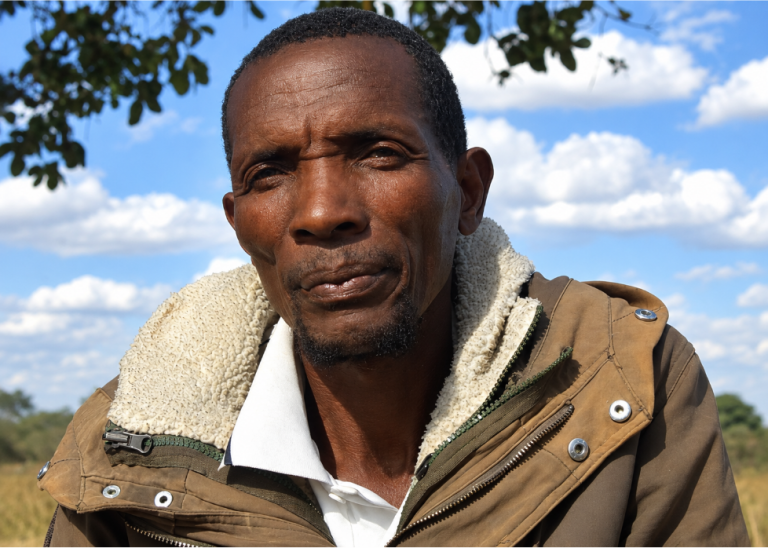
Although ISALs are very common in rural areas and, over the years, have been regarded as a strategy for empowering women, FCTZ ensured that the training cuts across gender and disability. Among the trained participants, Simbarashe Mupakaviri is a disabled 58-year-old male adult who has no standard toilet at his homestead. Simbarashe had a motorcycle accident that caused him to be disabled. His household size is five, and his alternative livelihood is poultry production (eggs and broilers). He is a Sanitation Action Group SAG member and has no uBVIP latrine at his homestead.
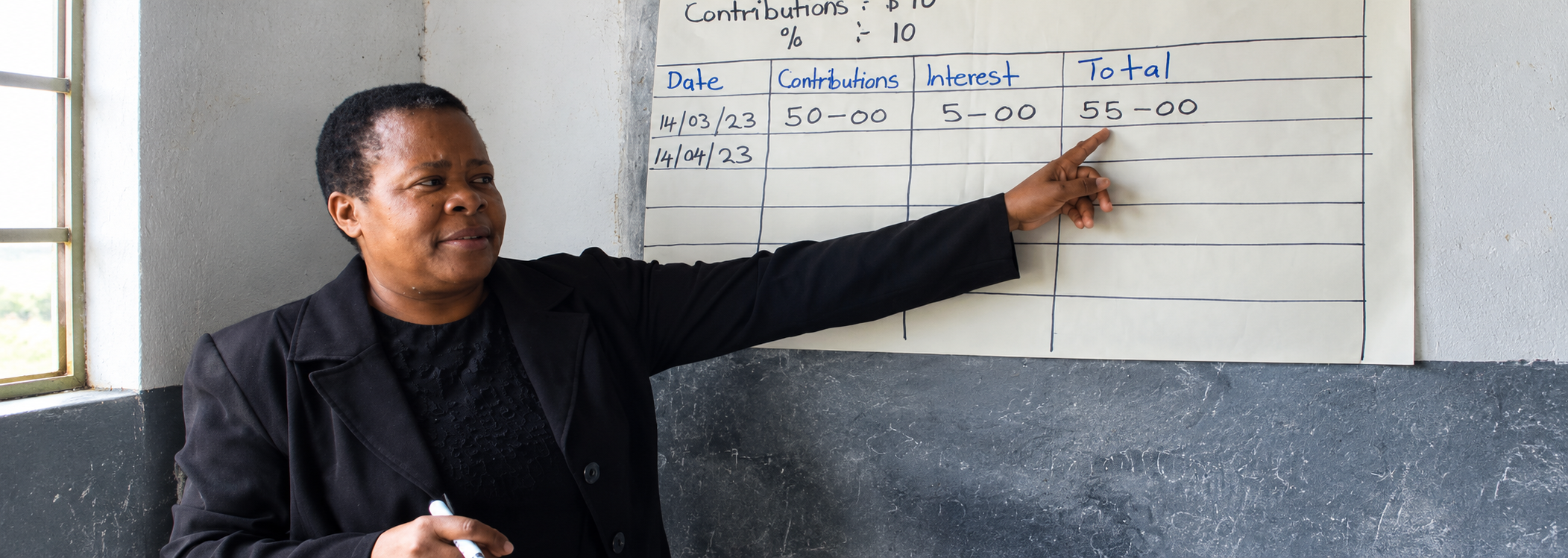
Simbarashes’ ISAL group name is Svinurai; it is composed of eight SAG members and was formed four months ago. The group’s monthly contribution is $5.00 per member, and fund loaning is progressing well with members taking turns. However, the group’s constitution is very weak. Thanks to the training, which is an eye-opener to all the group members, stated Simbarashe. He revealed that, although there is a constitutional provision for a five-day delay in monthly contributions, group members are facing challenges in meeting the deadline; hence, they are proposing to amend the constitution and shift their meeting dates to the ninth of every month.
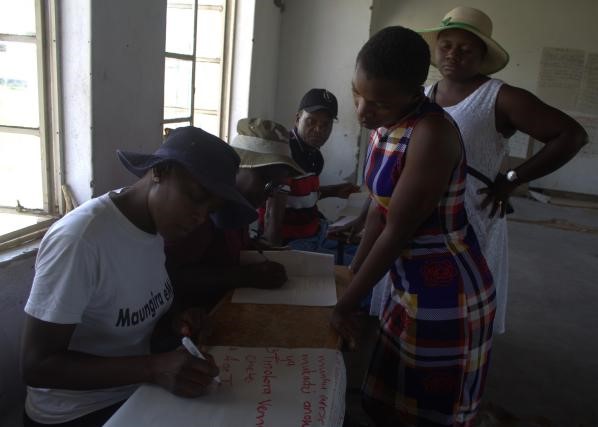
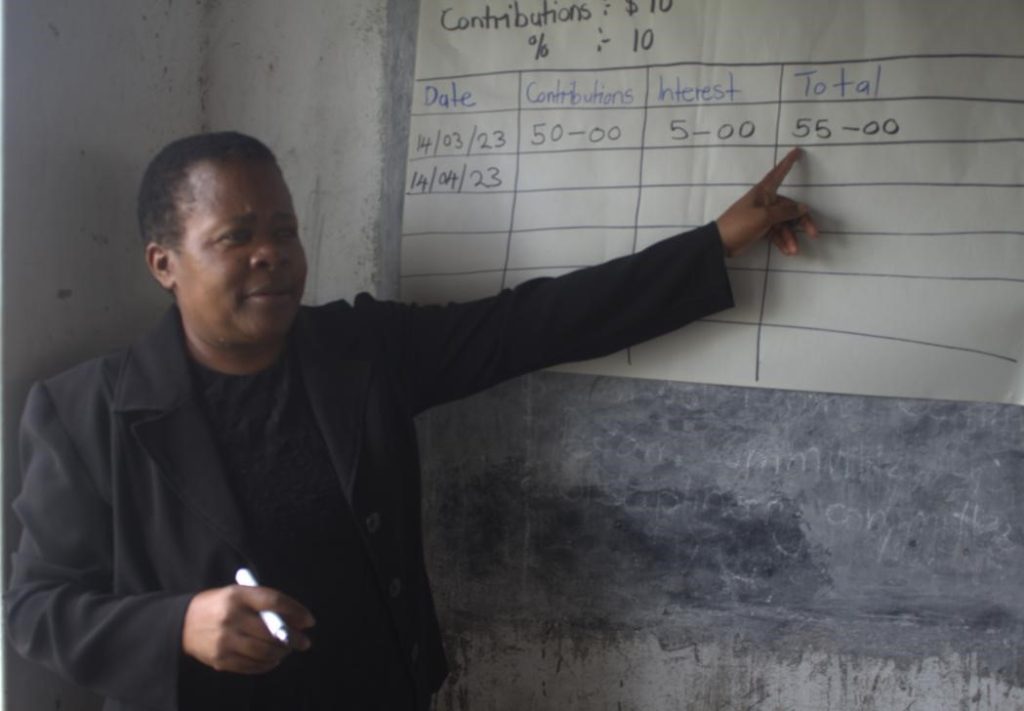
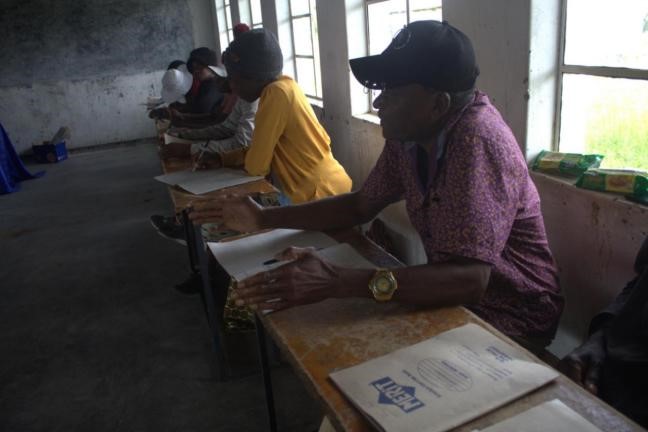
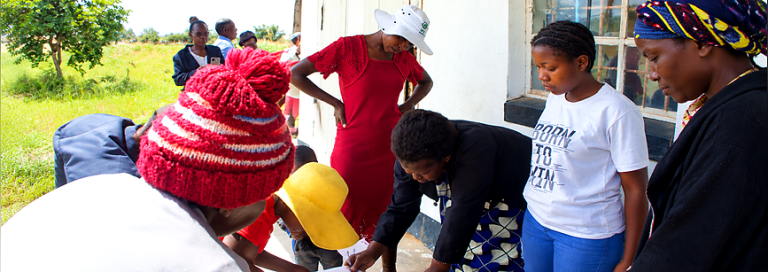
The Ministry of Women Affairs and Community Small and Medium Enterprise Development has the mandate to train ISALs; hence, through the Ministry, FCTZ facilitated the training of participants in ISAL concepts. The training covered five topics: membership selection, group leadership, group fund development, constitution writing, and record keeping.
FCTZ WASH Officer co-facilitated record-keeping and constitution-writing. She made use of group discussions and role plays, which revealed how many participants were keeping their skills hidden. Svinurai ISALs group leader Shamiso Baranda commended that these two sessions have been hugely enlightening for us as a group, and we are all going home with a deep understanding of record keeping and constitution writing.