FCTZ promotes climate-smart agriculture and sustainable livelihood practices to help vulnerable rural farming communities adapt to climate change, improve agricultural productivity and strengthen food security. Through sustainable farming methods, efficient water management and livelihood diversification, communities can build resilience to climate-related shocks and secure a more sustainable future.
Climate Smart Sustainable Livelihoods and Food Security
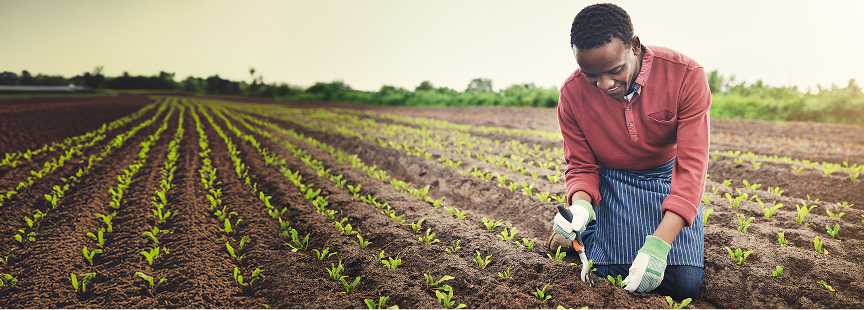
- Diversifying agricultural practices and other sources of livelihood for increased income and food security through promoting the adoption of climate-smart agriculture and non-agri-business.
- Promoting smallholder market engagement through the creation of market hubs and associations.
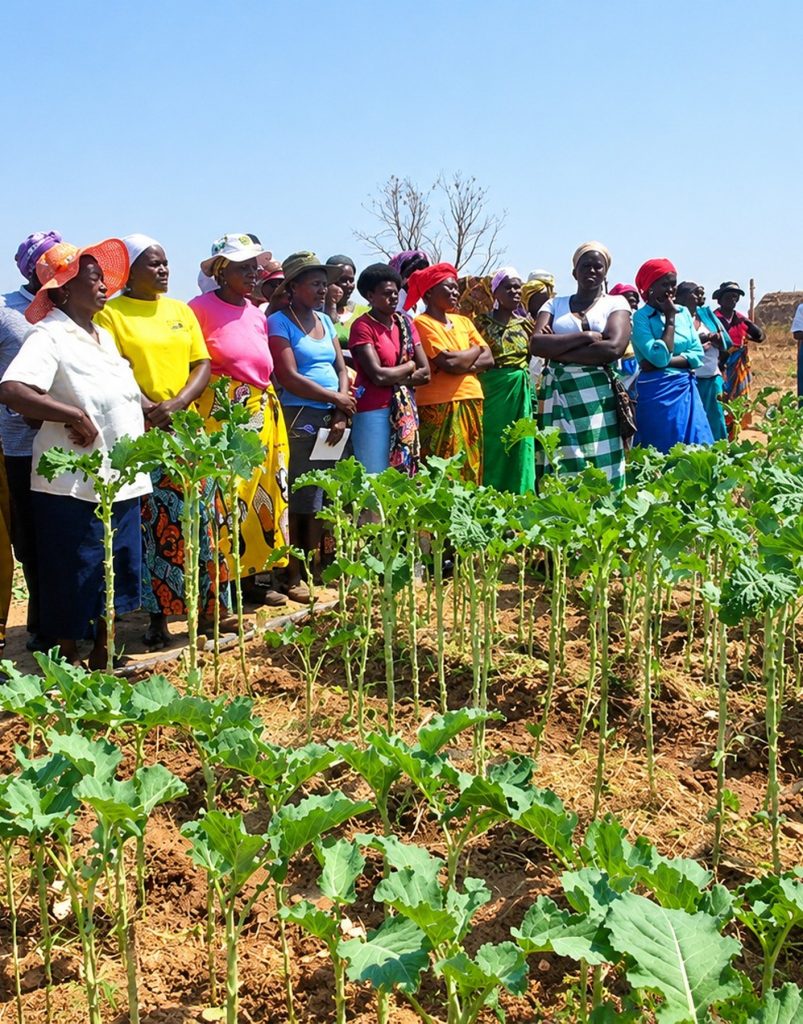
- Increasing farmers’ knowledge of new farming techniques and associated technology.
- Increasing access to agricultural extension services.
Water (Supply & Management), Sanitation, Health and Hygiene
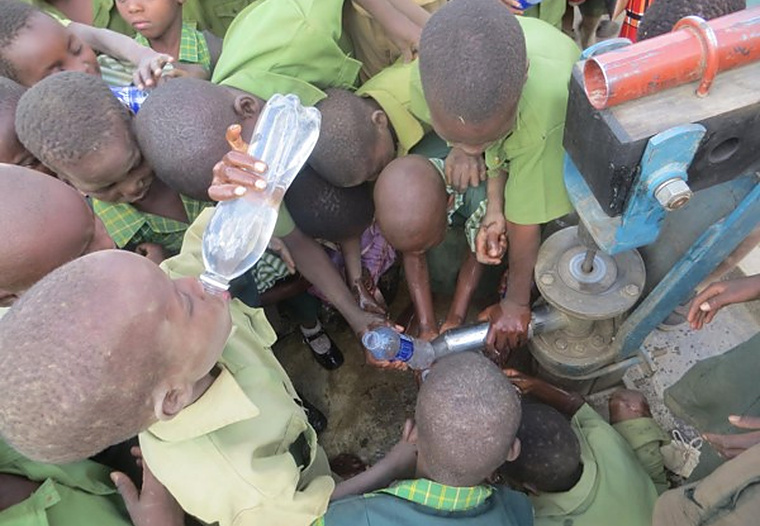
FCTZ promotes access to safe water, improved sanitation and good hygiene practices in vulnerable rural communities. Through sustainable water management and health awareness, FCTZ supports disease prevention, improves community well-being and encourages healthier living conditions.
Water, sanitation, health and hygiene programming strengthens the capacity of central government, local authorities, district-level departments, and public institutions through systems strengthening in the WASH sector.
- Increasing adoption of improved technologies in the management and provision of water.
- Facilitating development and implementation of District WASH Master Plans.
- Providing safe water through rehabilitation or repair and upgrading of high-yielding existing water sources.
- Promoting hygiene and community-based resilient financing mechanisms.
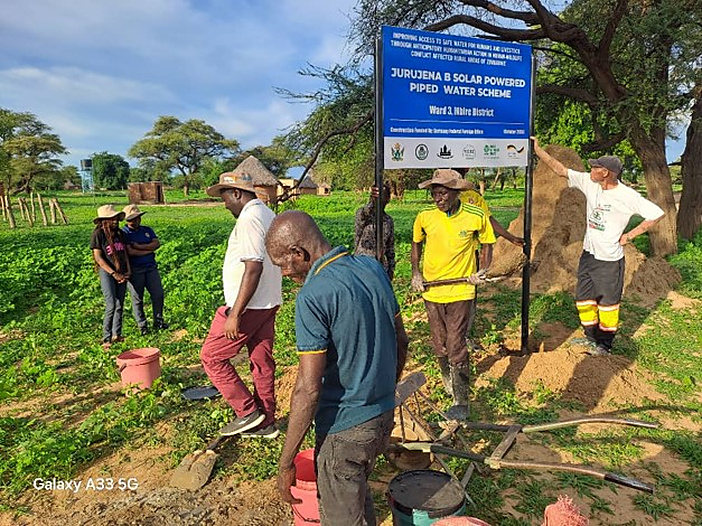
Anticipatory Humanitarian Action
FCTZ strengthens communities’ preparedness for disasters through Anticipatory Humanitarian Action, enabling early intervention before droughts, floods and epidemics escalate. These efforts protect vulnerable households, safeguard livelihoods, reduce reliance on harmful coping strategies and support more effective humanitarian assistance.
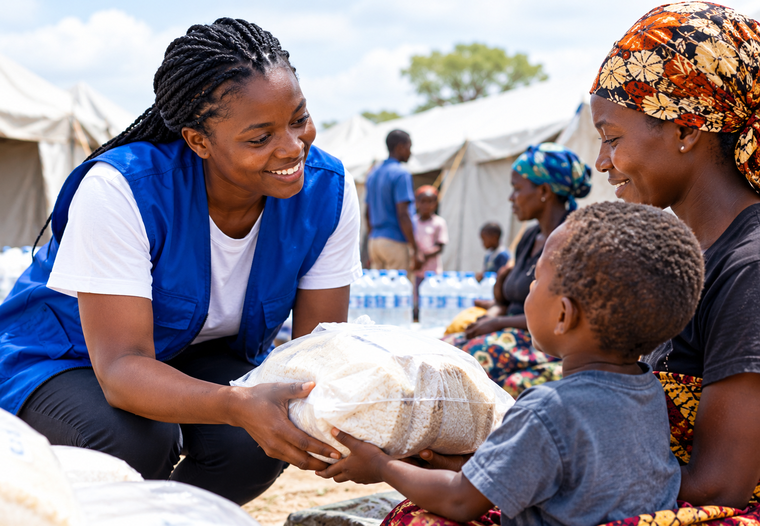
Humanitarian Response
The focus is on providing humanitarian response to sudden onset emergencies such as floods, mudslides, cyclones, infectious disease outbreaks such as cholera, typhoid, Covid, and slow onset emergencies such as drought.
Water, Sanitation and Hygiene (WASH)
Water, Sanitation and Hygiene (WASH) is essential for improving the health, dignity and well-being of vulnerable rural communities. Access to safe drinking water, proper sanitation facilities and good hygiene practices helps prevent waterborne diseases and creates healthier living environments.
FCTZ promotes improved access to safe water, sanitation and hygiene services, particularly for vulnerable households in rural areas. Through community awareness and sustainable WASH initiatives, communities can strengthen their resilience, protect public health and improve their overall quality of life.