Founded in 1940 as a Cooperative of Zimbabwean farmers, Seed Co has grown to become a a Pan-African producer of field crop and vegetable seeds that are adaptable and purpose-bred for the various ecological zones of Africa in addition to being a part of the Lima grain group.
This gives it access to world-class capabilities, that bolster its bid to be a dominant and agile Seed Business in Africa. Seed Co’s growing Africa footprint covers Botswana, Ghana, Kenya, Malawi, Nigeria, Rwanda, South Africa, Tanzania, Zambia, and Zimbabwe. It also distributes its seed varieties in Angola, DRC, Ethiopia, Lesotho, Swaziland, Uganda and several countries in West Africa.
In Mozambique, Seed Co was established in 2016 to cater for small-scale and commercial farmer’s need for certified, quality seeds. Over the years, the local business has grown both in the volume of seed sold, distribution network and number of staff in response to the increasing demand for our products. Seed Co is committed to the sustainability of its seed-to-feed business. It is an equal opportunity employer that values diversity and respect for its stakeholders. It innovates, delivers climate-smart high yielding seed solutions, agronomic support, and training to help farmers to efficiently use land and other farming inputs to feed people and livestock. Seed Co is committed to sound environmental stewardship through responsible use of natural resources, the environment, safety and caring with host communities.
Can't find the answer you are looking for? We have shared some of our frequently asked questions to help you out.
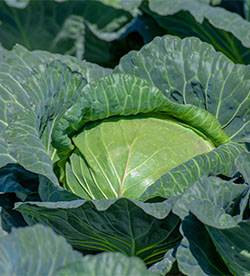
(a).Cabbage: VS209 F1
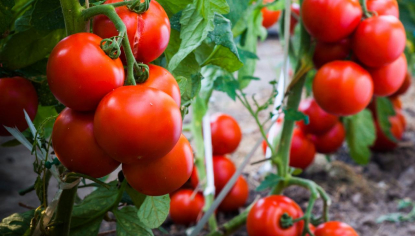
(b).Tomato:Alambra F1
(c).Candela F1
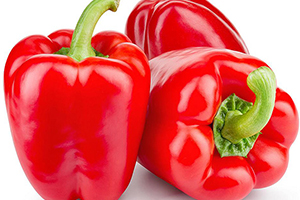
4. Sweet Peppers: (a). Hercules F1-Red
(d).Solanor F1-yellow pepper
(e). Rape Rampart
(f). ONION-Regent F1
(h). SQUASH BUTTERNUT: ULTRAF1
(i). WATERMELON: KITO F1
| Time of Planting | Crops |
| Winter | Broccoli,Cauliflower,Lettuce |
| All year Round | Tomato, Sweet pepper, Cabbage, Carrot, rape, Chinese & Spinach. |
| Summer | Butternuts,Cucumber,Eggplant,Sweetcorn,Okra,Finebeans, watermelon |
| Feb-Mar | Onion |
| CROP | INROW SPACING | INTERROW SPACING |
| Tomato | 30cm(open field) | 1,5-2m |
| 40cm(Tunnel) | 1.5-2m | |
| Sweet peppers | 50cm | 40cm |
| Eggplant | 75cm | 50cm |
| Cabbage | 60cm | 50cm for big heads |
| 50cm | 50cm for small heads | |
| Onion | 8-11cm | 15cm |
| Carrot | 8-11cm | 15cm |
| Rape, Spinach & Chinese | 30cm | 30cm |
| Butternuts | 50cm | 1.5cm |
| Watermelon | 80cm | 1.5cm |
| Cucumber | 50cn | 1.5cm |
| Green beans | 8cm | 20cm |
| Sweetcorn | 25cm | 75cm |
| CROP | DAYS TO MATURITY |
| Tomato | 75-80days |
| Sweet pepper | 80-90 days |
| Sweetcorn | 90 days |
| Cabbage | 75-80 days |
| Carrot | 90-110 days |
| Okra | 55-60 days |
| Onion | 90-110 days |
| Butternuts | 75-80 days |
| watermelon | 80-90 days |
| Rape | 21-30 days |
| Cucumber | 55-60 days |
| Chinese Cabbage | 35-40 days |
| Spinach | 45-50 days |
The following are the best management practices for vegetable growing:
Different vegetables mature at different days, but the best time to harvest vegetables is when they are fully matured or when they have attained there physiological maturity.
| Seeds | Number of seeds /HA |
| Cucumber | 1kg |
| Tomato | 200g/15-20,000 |
| Pepper | 200g/20,000 seeds |
| Onion | 4-8kg |
| Eggplant | 200g |
| Okra | 8kg |
| Cabbage | 200g |
| Rape | 200g |
| Butternuts | 1.5-2kg |
| Watermelon | 3-5kg |
| Sweetcorn | 8kg |
| Carrot | 2kg |
| Lettuce | 150g |
| Green beans | 100kg |
| Spinach | 200g |
| Chinese Cabbage | 200g |
The best answer to this question is planting frost tolerant, cool season crops that can withstand harsh cold weather e.g. broccoli, cabbage, Cauliflower, lettuce etc. But you can artificially increase temperature in winter by the use of heaters in the greenhouse or artificial lighting in the field that produces heat. Traditionally farmers would fence the edge of the garden to help keep plants off colds. The use of Products like Vapour guard can also help a great deal.
Determinate tomatoes are varieties that grow to a fixed mature size, ripen all their fruit in a short period (usually between 10-15days) and are “bush” tomatoes. Once this first flush of fruit has ripened, the plant will begin to diminish in vigour and will set little to no new fruit.
Indeterminate tomato varieties are vining plants that continue growing in length throughout the growing season, which is why they often are referred to as vining tomatoes. They continually set and ripen fruit through thire entire growing season and as a result, they give a slow and steady supply of tomatoes.
| Crop | Varieties | Yield (t/ha) |
| Beans Green F1 | Salima | 12-15 t |
| Beetroot OPV | Dark Detroit red | 25-40 t |
| Broccoli F1 | Cigno | 15 -20t |
| Corato | ||
| Formosa | ||
| Cabbage OPV | Copenhagen market | 33000h |
| Sugarloaf | ||
| Cabbage F1 | Dixit | 33 000h |
| Majesty | ||
| Vikima VS209 | ||
| Carrot OPV | Kuroda | 15-20 t |
| Nantes | ||
| Cauliflower F1 | Nevada | 30-40 t |
| Cucumber Greenhouse F1 | Dreamliner | 400 000heads |
| Cucumber OPV | Ashley | 8t |
| Eggplant OPV | Black beauty | 15t |
| Lettuce OPV | Great Lakes | 90000 heads |
| Okra OPV | Clemson spineless | 10 t |
| Onion OPV | Red creole | 5-10 t |
| Texas grano | ||
| Pepper OPV | Carlifornia wonder | 10-12t |
| Peppers F1 | Hercules | 45-90 t |
| Red prime | ||
| Solanor | ||
| Sunshine | ||
| Rape OPV | English Giant | 90-120 t |
| Rampart | ||
| Spinach OPV | Fordhook | 15-20 t |
| Squash butternut OPV | Waltham | 20-25 t |
| Squash butternut F1 | Avalon | 70-90 t |
| Prism | ||
| Tomato Indeterminate F1 | Alambra | 150-250t |
| Candela | ||
| Oasis | ||
| Tomato Greenhouse F1 | Alambra | 300-400t |
| Candela | ||
| Oasis | ||
| Tomato Determinate F1 | Daisy | 80-150 t |
| Htx14 | ||
| Jackpot | ||
| Pietrarossa | ||
| Tomato OPV | Tengeru 97 | 40-50t |
| Watermelon OPV | Crimson sweet | 15 t |
| Watermelon F1 | Kito | 70-100 t |
| Tajiri |

 Mozambique
 Seed Co Group
 Angola
 Botswana
 DRC
DRC Kenya
Kenya Malawi
 Nigeria
 South Africa
 Tanzania
 Uganda
 West & Central Africa
 Zimbabwe