






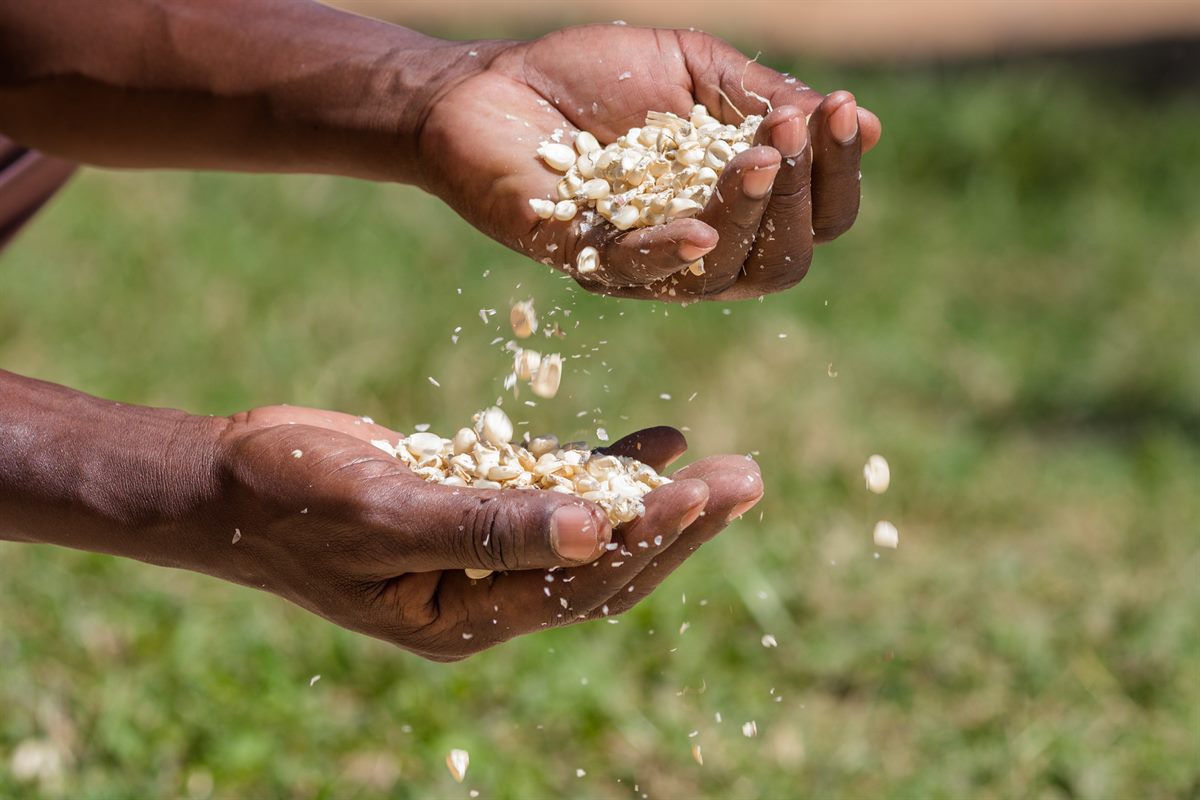
Cereals
Hybrid maize
Our deepest portfolio. Maturity classes from 95 to 155 days let you match the crop to the length and reliability of your rainfall season | the single most important decision a maize grower makes.

Overview
Bred for African seasons, not borrowed from elsewhere
Seed Co maize hybrids are selected in African trial networks for stalk strength, ear cover, disease tolerance and grain type preferred by local millers.
Choose a maturity class first, then grain type. In low or uncertain rainfall, an ultra-early or early hybrid that finishes before the season closes will nearly always out-yield a late hybrid that runs out of moisture. Where rainfall is reliable or irrigation is available, longer-season hybrids convert the extra growing days into significantly higher yield.
Variety range
Maize varieties at a glance
| Variety | Maturity (days) | Yield potential | Drought tolerance | Best suited to |
|---|---|---|---|---|
| SC 301 | 80 days | 6 t/ha | 4/5 | Fast maturity (about 80 days) for short rainfall windows, with drought tolerance. |
| SC 303 | 90-110 days | 5-6 t/ha | 4/5 | Ultra-early maturity with very good drought tolerance for low-rainfall areas. |
| SC 403 | 121-125 days | 6-8 t/ha | 4/5 | Early-maturing with excellent to very good drought tolerance for low-rainfall areas. |
| SC 419 | 125-128 days | 9-11 t/ha | 4/5 | High-yielding early-maturing hybrid that adapts widely across rainfall zones. |
| SC 449 | 90 days | 8 t/ha | 4/5 | Very early maturity (about 90 days) with dry-spell recovery and drought tolerance. |
| SC 506 | 127-130 days | Up to 10 t/ha | 4/5 | Yellow dent option with very good drought tolerance and winter green maize potential. |
| SC 526 | 85-90 days | 7-8 t/ha | 4/5 | Early-maturing yellow flint maize with drought tolerance for Forest and Savanna zones. |
| SC 555 | 127-130 days | 10-12 t/ha | 4/5 | High yield potential with strong drought tolerance; suited to roasted and green maize. |
| SC 561 | 124-131 days | 10-11 t/ha | 4/5 | Excellent cob-rot tolerance with very good drought tolerance and standability. |
| SC 608 | 130-136 days | 12-13 t/ha | 4/5 | High-yielding yellow dent, versatile for grain, silage, stover and winter green maize. |
| SC 612 | 100 days | 11-13 t/ha | 4/5 | Provitamin A yellow maize with heat and drought tolerance and efficient water use. |
| SC 637 | 130-136 days | 11-13 t/ha | 2/5 | High yield potential (11-13 t/ha) with very good standability for higher-rainfall zones. |
| SC 647 | 128-135 days | 11-12 t/ha | 4/5 | Medium-maturing with very good drought tolerance, standability and Diplodia tolerance across many zones. |
| SC 649 | 110 days | 8-10 t/ha | 4/5 | Massive plant architecture suited to high-density, mechanised production, with lodging tolerance. |
| SC 651 | 90 days | 6-7 t/ha | 4/5 | Early maturity with double cobs, heat and drought tolerance and nitrogen-use efficiency. |
| SC 657 | 130-136 days | 12-13 t/ha | 4/5 | Medium-maturing, high-yielding option for moderate-to-high rainfall areas. |
| SC 665 | 100-110 days | 10-12 t/ha | 4/5 | Medium-maturing with excellent GLS and cob-rot tolerance. |
| SC 701 | 148-155 days physiological maturity | Up to 13 t/ha* | 3/5 | Late-maturing white dent hybrid with high yield potential for irrigated and high-potential environments. |
| SC 719 | 142-148 days | 12-14 t/ha | 3/5 | Late-maturing, high-yielding hybrid for high-rainfall and elevated areas. |
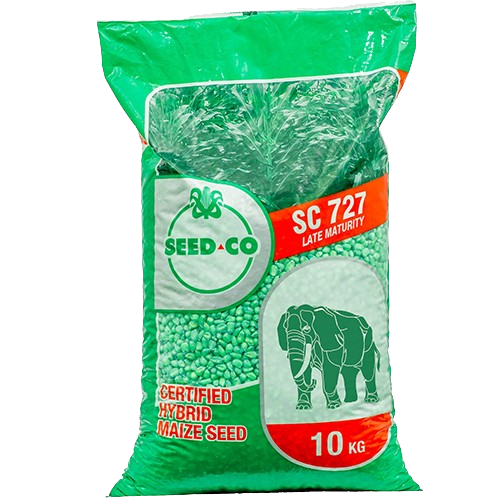
| SC 727 | 145-150 days | 12-14 t/ha | 2/5 | Late-maturing, high-yielding hybrid with wide regional adaptation and excellent standing ability. |
| SC 733 | 145-150 days | 12-14 t/ha | 2/5 | Late-maturing, high-yielding with very good Diplodia and Fusarium tolerance and standability. |
Agronomy