





Seed Co
Mbizi
SC / 001 Mbizi
Nzou
SC / 002 Nzou
Shumba
SC / 003 Shumba
MAIZE GENETICS
Tsoko
SC / 004 Tsoko
Tsuro
SC / 005 Tsuro
0%
Preparing the field
Skip to content
Innovations & Breeding Science

Research & Development

Innovations & Breeding Science

Advancing climate-smart agriculture through marker-assisted selection, multi-environment trial analytics, and high-yield germplasm development across Africa.

Seed Co Maize Cob Emblem

African Soils, African Science

Our research and development engine is powered by molecular breeding laboratories, biotechnology hubs, and more than 40 trial stations distributed across Africa’s major agro-ecological zones. We do not import varieties bred for temperate zones; we breed specifically for African rainfall, pest pressures, and soil types.

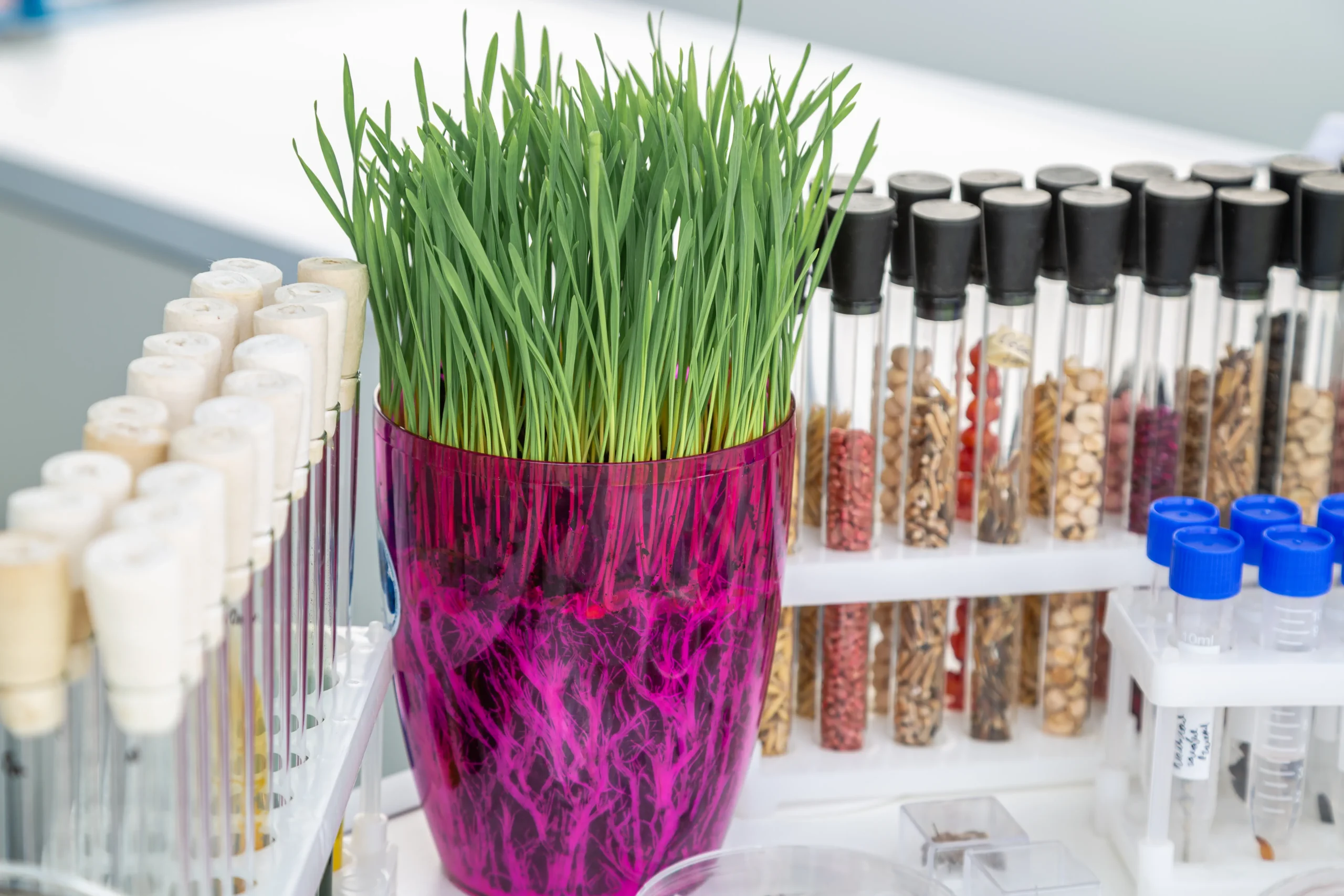
Through marker-assisted selection (MAS), doubled haploid technology, and farmer-participatory trials, our breeding pipeline reduces the time required to develop and commercialise resilient, high-yielding crop varieties by up to two full seasons.
Our approach

Local data beats imported assumptions

A hybrid that performs in a temperate trial network can fail in a Zambian sandveld season. All of our selection decisions are made on African trial data.

  • Molecular lab

    Marker-assisted selection for drought and disease traits.

  • Seed quality science

    Germination, vigour and purity testing on every lot.

  • Trial analytics

    Multi-environment analysis of stability, not just mean yield.

  • Farmer feedback

    On-farm evaluation before any commercial release.

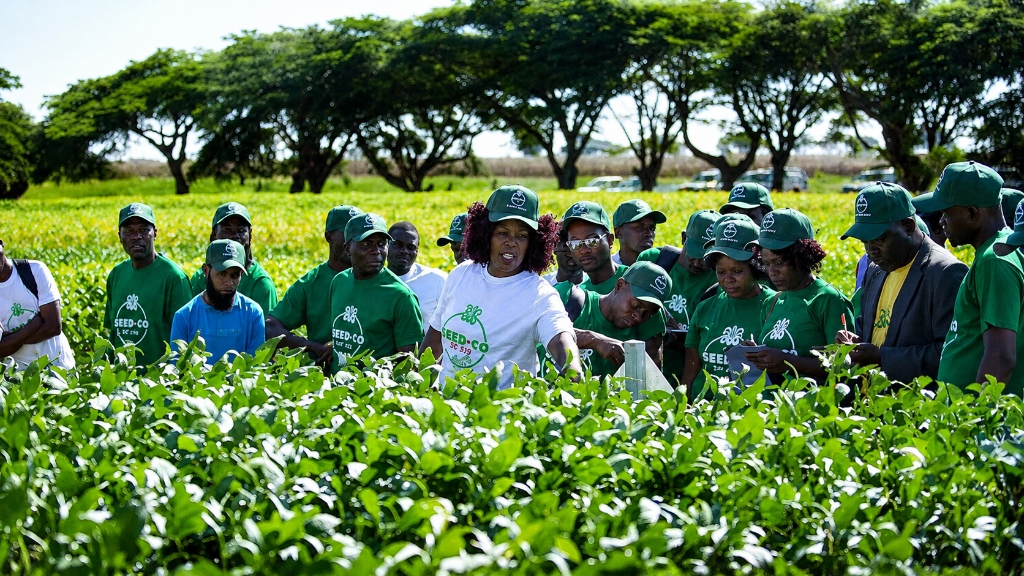
Seed Co agronomists and farmers evaluating crop trial performance in the field

Breeding pipeline

From trial plot to certified seed bag

Every Seed Co variety travels through a five-stage evaluation pipeline over seven to nine seasons before release.

01

Germplasm and crossing

Breeders cross elite African parent lines with sources of drought, heat and disease tolerance in the nursery.

02

Marker-assisted selection

Molecular markers identify plants carrying target traits early, cutting up to two seasons from the cycle.

03

Multi-location trials

Candidates are tested across rainfall bands, altitudes and soil types at 40+ research and trial sites.

04

Farmer-participatory evaluation

Growers assess shortlisted candidates on their own fields and rate grain type, standability and yield.

05

Release and certification

National variety release, then certified seed production with lot-by-lot quality testing before bagging.

Trial network

Selected across the continent's climate zones

High-potential mid-altitude

Harare, Rattray Arnold, Mpongwe

Commercial yield ceilings, grey leaf spot and cob rot screening.

Low-rainfall semi-arid

Chiredzi, Kadoma, Gaborone

Terminal drought tolerance, heat stress escape and early vigour.

High-altitude & temperate

Kitale, Eldoret, Bethlehem

Long season adaptation, cold tolerance and highland rust complexes.

Humid tropical & West Africa

Ibadan, Abuja, Lubumbashi

Maize streak virus, downy mildew, striga and high humidity leaf blights.